

The Future of Digital Currencies
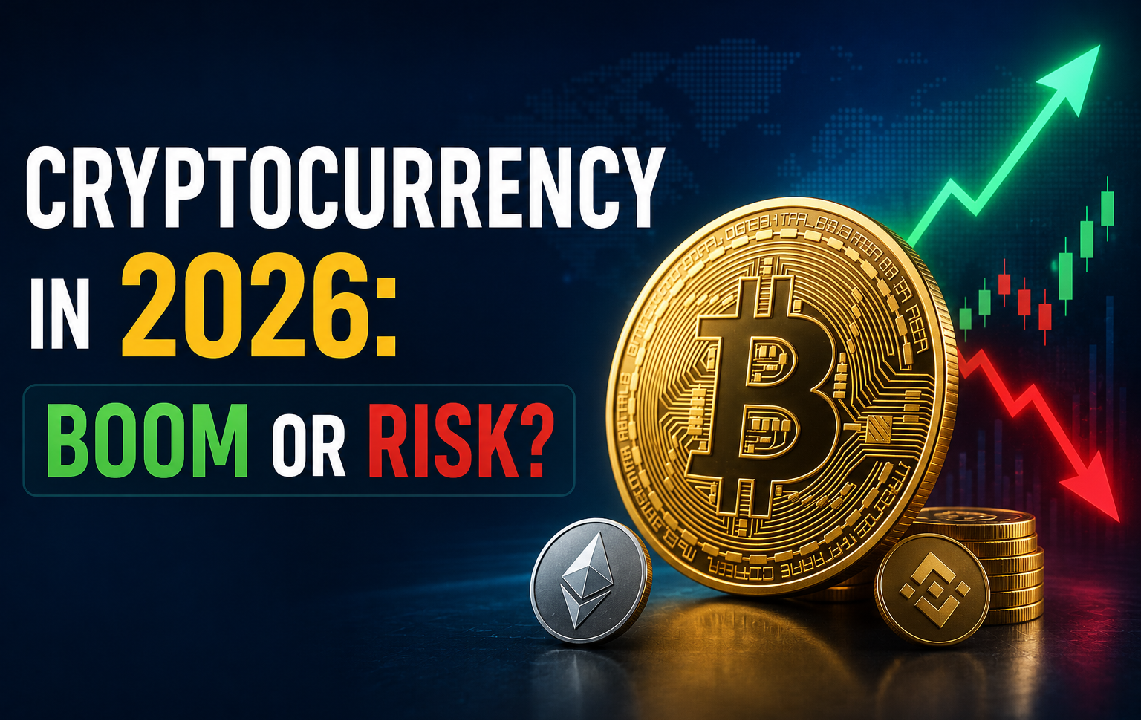
Cryptocurrency has transformed from a niche digital experiment into a global financial phenomenon. Over the past decade, digital currencies like Bitcoin, Ethereum, and thousands of altcoins have attracted investors, businesses, and governments alike. As we move through 2026, one question continues to dominate discussions: Is cryptocurrency the next financial boom, or is it still a high-risk investment?
The answer lies somewhere in between. While the crypto market offers incredible growth opportunities, it also comes with significant risks that every investor should understand.
What is Cryptocurrency?
Cryptocurrency is a form of digital or virtual currency secured by cryptography. Unlike traditional currencies issued by central banks, most cryptocurrencies operate on decentralized blockchain networks.
Blockchain technology records every transaction transparently and securely, making it difficult to alter or manipulate data.
Some of the most popular cryptocurrencies include:
- Bitcoin (BTC)
- Ethereum (ETH)
- Solana (SOL)
- Ripple (XRP)
- Binance Coin (BNB)
Each cryptocurrency serves different purposes, from digital payments to smart contracts and decentralized finance (DeFi).
Why Cryptocurrency Continues to Grow
1. Increasing Global Adoption
More businesses are accepting cryptocurrency payments, while institutional investors are allocating funds to digital assets. Governments are also exploring blockchain technology for financial innovation.
2. Blockchain Innovation
Beyond digital money, blockchain is transforming industries such as banking, healthcare, supply chain management, gaming, and real estate. This expanding use case strengthens the long-term potential of cryptocurrencies.
3. Growing Interest from Young Investors
Millennials and Gen Z investors are increasingly attracted to crypto because of its accessibility, high growth potential, and technological appeal.
4. Decentralized Finance (DeFi)
DeFi platforms allow users to lend, borrow, trade, and earn interest without relying on traditional financial institutions. This innovation is reshaping how financial services operate.
Why Cryptocurrency Remains Risky
Despite its popularity, cryptocurrency is still considered one of the most volatile investment assets.
Extreme Price Volatility
Crypto prices can rise or fall dramatically within hours due to market sentiment, economic news, or regulatory announcements.
Regulatory Uncertainty
Governments around the world continue to develop regulations for digital assets. New laws or restrictions can significantly impact the crypto market.
Security Threats
Although blockchain is secure, investors may still face risks from exchange hacks, phishing attacks, scams, and fraudulent investment schemes.
Emotional Trading
Many beginners buy during market hype and sell during panic, leading to avoidable losses.
Key Trends Shaping Cryptocurrency in 2026
Several trends are influencing the future of digital currencies:
Artificial Intelligence and Blockchain
AI-powered trading tools are helping investors analyze markets more efficiently, while blockchain projects are integrating AI into decentralized applications.
Tokenization of Real-World Assets
Real estate, stocks, bonds, and commodities are increasingly being represented as digital tokens on blockchain networks, making investing more accessible.
Stablecoins
Stablecoins continue to gain popularity because they combine the speed of cryptocurrency with the stability of traditional currencies, making them suitable for payments and international transfers.
Central Bank Digital Currencies (CBDCs)
Many countries are developing their own digital currencies issued by central banks. While CBDCs differ from decentralized cryptocurrencies, they are expected to accelerate the adoption of digital payments worldwide.
Is Cryptocurrency a Good Investment?
Cryptocurrency can be rewarding for investors who understand its risks and invest responsibly. However, it should not be viewed as a guaranteed path to wealth.
Before investing:
- Research every project carefully.
- Invest only what you can afford to lose.
- Diversify your portfolio.
- Use trusted and secure exchanges.
- Enable two-factor authentication (2FA).
- Stay updated with market news and regulations.
- Avoid making decisions based solely on social media hype.
The Future of Digital Currencies
The future of cryptocurrency looks promising, but it will likely evolve alongside stronger regulations, technological innovation, and wider institutional adoption. Blockchain technology is expected to play an increasingly important role in finance, digital identity, healthcare, logistics, and many other industries.
While some cryptocurrencies may fade over time, projects with strong technology, real-world utility, and active development communities are more likely to remain relevant.
Final Thoughts
So, is cryptocurrency in 2026 a boom or a risk? The answer is both.
For informed investors, cryptocurrency offers exciting opportunities for long-term growth and innovation. For those who invest without proper knowledge or risk management, it can lead to significant financial losses.
The smartest approach is to stay informed, invest cautiously, and focus on long-term value rather than short-term speculation. As the digital economy continues to evolve, cryptocurrency is likely to remain one of the most influential financial innovations of the modern era.