

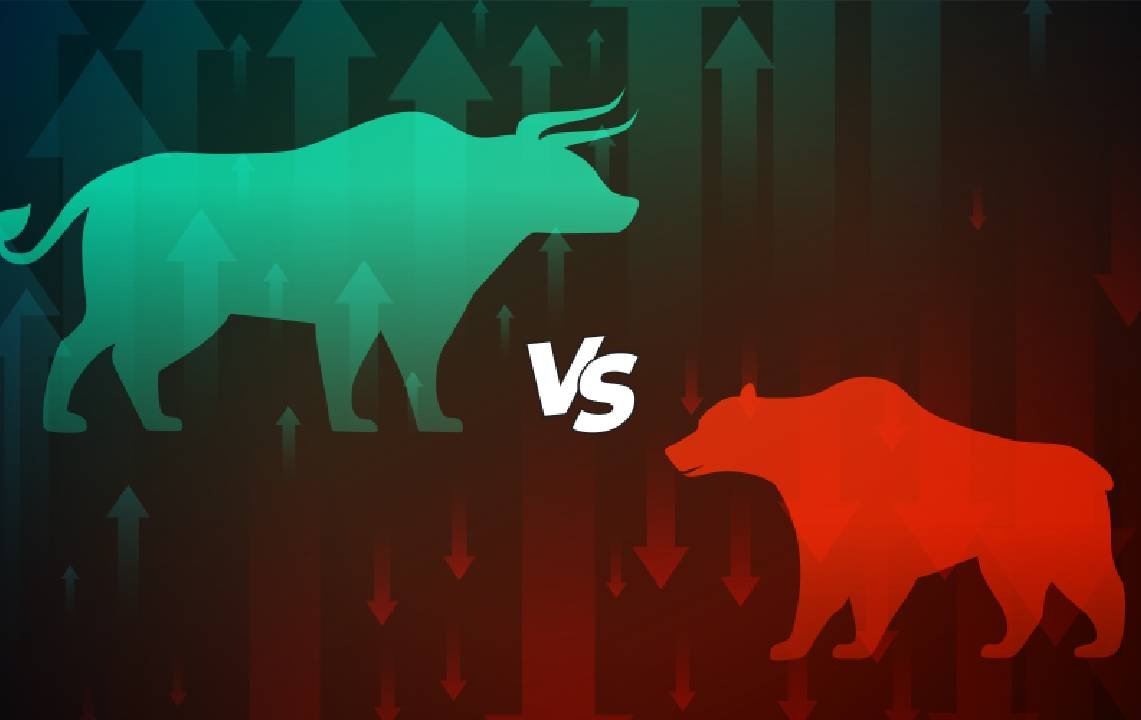
India is home to two major stock exchanges: the National Stock Exchange (NSE) and the Bombay Stock Exchange (BSE). Both have played a pivotal role in shaping the Indian financial markets. If you’re an investor or trader, understanding NSE vs BSE is crucial to make informed decisions.
This guide compares the two exchanges, their features, advantages, and which might suit your investing style.
Overview of NSE and BSE
| Feature | NSE (National Stock Exchange) | BSE (Bombay Stock Exchange) |
| Established | 1992 | 1875 |
| Location | Mumbai | Mumbai |
| Market Capitalization | ₹2,50,00,000+ Cr (approx.) | ₹2,30,00,000+ Cr (approx.) |
| Popular Index | Nifty 50 | Sensex |
| Technology | Fully electronic trading | Electronic trading, legacy systems initially |
| Number of Listed Companies | ~1,900 | ~5,500 |
Key Differences Between NSE and BSE
-
Liquidity and Trading Volume
- NSE: Higher daily trading volume → better liquidity
- BSE: Relatively lower volume, but still robust for blue-chip stocks
-
Trading Platform & Technology
- NSE: Modern electronic trading system with faster execution
- BSE: Advanced technology now, but historically slower than NSE
-
Listing Requirements
- BSE: More companies listed → broader choice for investors
- NSE: Stringent listing requirements → more established companies
-
Indices
- BSE Sensex: 30 top companies representing the economy
- NSE Nifty 50: 50 top companies → widely used benchmark
-
Investor Reach
- NSE: Dominates retail and institutional trading
- BSE: Popular with older investors, strong historical presence
Which Exchange Should You Choose?
| Investor Type | Recommended Exchange | Reason |
| Long-term investor |
Either |
Both have quality blue-chip stocks |
| Active trader / Intraday |
NSE |
Higher liquidity and faster execution |
| Investing in smaller companies |
BSE |
More mid-cap and small-cap listings |
| Index tracking (mutual funds / ETFs) |
NSE |
Nifty 50 widely used as benchmark |
💡 Tip: Most retail investors can trade on both exchanges, but NSE generally offers better liquidity and tighter spreads, making it preferable for most trades.
Conclusion
Both NSE and BSE are reliable and well-regulated stock exchanges in India.
- NSE is preferred for liquidity, fast execution, and derivatives trading
- BSE offers more listings and historical credibility
Ultimately, the choice depends on your investment goals, trading style, and portfolio preference. For most modern investors, NSE edges slightly ahead, but both exchanges are essential pillars of India’s financial market.