


If you are planning to invest in the Indian stock market, a Demat account is essential. It allows you to hold and trade shares in electronic form, eliminating the...
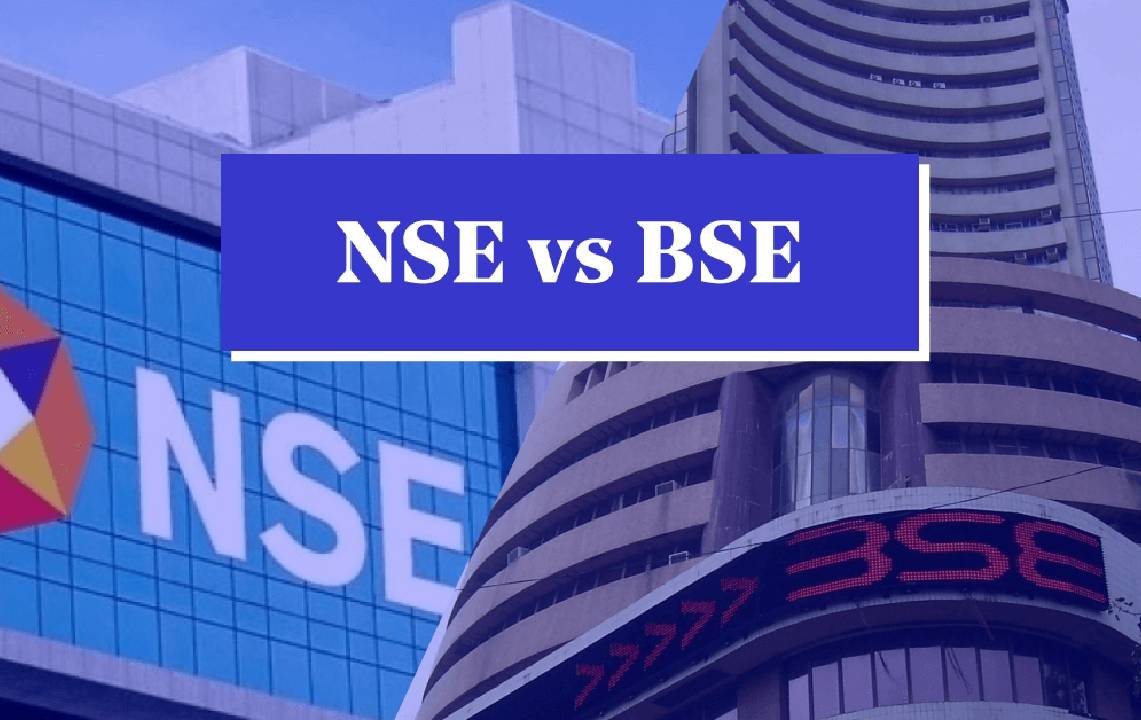
The Indian stock market is a hub for buying and selling securities, including shares, bonds, and derivatives. For beginners and even experienced investors, understanding how it functions is crucial...
Many new investors in India often use the terms “share market” and “stock market” interchangeably. While they are related, there are subtle differences that every investor should understand. Knowing...

Interest rates are one of the most important economic factors that influence the Indian stock market. Changes in interest rates by the Reserve Bank of India (RBI) or global...
In today’s digital era, mobile apps have become the go‑to way for investors to trade, invest, and track markets. With multiple platforms available in India, choosing the right stock...
Every year, India’s Union Budget creates ripples in the stock market. Investors often wonder how the budget announcements affect share prices, sectors, and overall market sentiment. Understanding these effects...

The Indian stock market is influenced by multiple factors, and among the most important are Foreign Institutional Investors (FIIs) and Domestic Institutional Investors (DIIs). Understanding their role can help...

The Indian stock market is dynamic and offers opportunities across various sectors. For investors aiming for long-term growth or strategic trading, identifying high-potential sectors is crucial. This guide highlights...

Investing in the share market is one of the most effective ways to build long-term wealth. While it may seem complex at first, understanding the basics can help beginners...
India is home to two major stock exchanges: the National Stock Exchange (NSE) and the Bombay Stock Exchange (BSE). Both have played a pivotal role in shaping the Indian...