

Adoption, Regulation & Future Opportunities
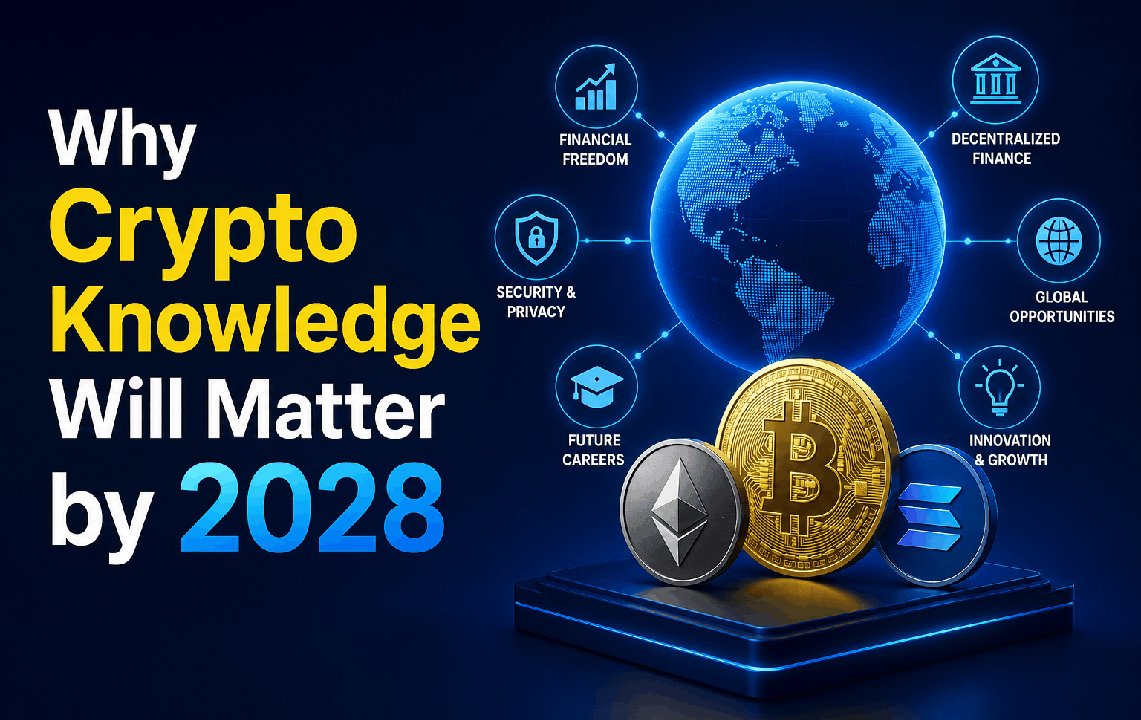
Cryptocurrency has evolved from a niche concept into one of the most disruptive innovations in modern finance. What began with Bitcoin in 2009 has expanded into a global ecosystem of digital currencies, decentralized finance (DeFi), blockchain applications, and tokenized assets. As governments, businesses, and financial institutions embrace blockchain technology, understanding cryptocurrencies is becoming an increasingly valuable skill.
By 2028, crypto knowledge is expected to be more than just an advantage—it could become essential for investors, professionals, entrepreneurs, and everyday consumers. Whether you’re interested in investing, technology, or financial literacy, learning about crypto today can help you prepare for tomorrow’s digital economy.
What is Cryptocurrency?
Cryptocurrency is a digital or virtual currency secured by cryptography and powered by blockchain technology. Unlike traditional currencies, cryptocurrencies operate on decentralized networks, meaning they are not controlled by a single government or financial institution.
Popular cryptocurrencies include:
- Bitcoin (BTC)
- Ethereum (ETH)
- Solana (SOL)
- XRP
- BNB
These digital assets enable secure, transparent, and borderless transactions while opening new opportunities in finance and technology.
Why Crypto is Becoming Mainstream
Over the past decade, cryptocurrencies have moved beyond speculation. Today, they are being adopted by businesses, institutional investors, payment providers, and even governments.
Major factors driving adoption include:
- Increased internet accessibility
- Growth of digital payments
- Blockchain innovation
- Institutional investment
- Rising financial awareness
- Development of Web3 technologies
As adoption increases, crypto literacy becomes increasingly important.
1. Global Adoption is Accelerating
Millions of people worldwide now own cryptocurrencies, and the number continues to grow each year.
Businesses increasingly accept crypto payments for products and services, while fintech companies integrate digital assets into their financial platforms.
By 2028, cryptocurrency could become a common payment option alongside traditional banking methods.
Why This Matters
- More job opportunities
- Wider business acceptance
- Faster international payments
- Increased financial accessibility
2. Governments Are Introducing Regulations
The early cryptocurrency market operated with limited oversight. Today, governments are developing regulations to protect investors while encouraging innovation.
Future regulations are expected to focus on:
- Consumer protection
- Tax compliance
- Anti-money laundering (AML)
- Know Your Customer (KYC)
- Stablecoin oversight
- Crypto exchange licensing
Understanding these regulatory changes will help investors and businesses make informed decisions.
3. Digital Finance is Becoming the New Standard
Traditional finance is gradually integrating blockchain technology.
Banks are exploring:
- Digital asset custody
- Blockchain payments
- Tokenized securities
- Central Bank Digital Currencies (CBDCs)
Professionals with crypto knowledge may find themselves better prepared for future careers in finance and fintech.
4. Investment Opportunities Continue to Expand
Cryptocurrency is no longer limited to buying Bitcoin.
Modern investment opportunities include:
- Bitcoin
- Ethereum
- Staking
- Tokenized real estate
- DeFi lending
- Crypto ETFs (where available)
- Blockchain startups
- NFT infrastructure
Diversified digital assets are becoming part of many investment portfolios.
5. Blockchain Careers Are Growing
Companies across industries are hiring professionals with blockchain expertise.
Popular career paths include:
- Blockchain Developer
- Smart Contract Developer
- Crypto Research Analyst
- Web3 Developer
- Security Auditor
- Crypto Compliance Specialist
- Product Manager
- Digital Asset Consultant
Even non-technical roles increasingly value blockchain literacy.
6. Web3 Will Create New Business Models
The internet is evolving toward Web3, where users have greater ownership of their digital identities, assets, and data.
Blockchain enables:
- Decentralized applications (dApps)
- Digital ownership
- Creator economies
- Token-based communities
- Decentralized autonomous organizations (DAOs)
Understanding these concepts may provide a competitive advantage in the coming years.
Benefits of Learning About Crypto Today
Learning about cryptocurrency now can help you:
- Understand emerging financial technologies
- Make informed investment decisions
- Identify new career opportunities
- Stay ahead of industry trends
- Reduce the risk of scams through better awareness
Knowledge is one of the best tools for navigating a rapidly changing financial landscape.
Challenges to Keep in Mind
While crypto presents exciting opportunities, it also carries risks.
Some challenges include:
- High price volatility
- Regulatory uncertainty
- Security threats
- Market speculation
- Scams and fraudulent projects
Successful participation requires research, patience, and sound risk management.
How to Prepare for the Crypto Future
If you’re new to cryptocurrency, consider these practical steps:
- Learn blockchain fundamentals.
- Understand how digital wallets work.
- Study major cryptocurrencies before investing.
- Follow trusted news sources.
- Practice strong cybersecurity habits.
- Diversify your investments.
- Never invest more than you can afford to lose.
Continuous learning is key in this fast-evolving industry.
What Could the Crypto World Look Like by 2028?
By 2028, the crypto ecosystem may include:
- Greater institutional adoption
- Clearer global regulations
- Wider use of digital currencies
- Tokenized stocks and real estate
- Growth of decentralized finance
- AI-powered blockchain applications
- More blockchain-based government services
- Increased integration with traditional banking
Crypto is likely to become a regular part of the global financial system rather than a niche technology.
Final Thoughts
Cryptocurrency is no longer just about digital coins—it represents a broader shift toward a more connected, transparent, and technology-driven financial system. As adoption increases and regulations mature, crypto knowledge will become an important skill for investors, professionals, entrepreneurs, and anyone interested in the future of finance.
By 2028, understanding blockchain, digital assets, and decentralized finance may be as valuable as understanding online banking is today. The earlier you start learning, the better prepared you’ll be to take advantage of future opportunities while navigating the risks responsibly.